(Exploring Iwate) Winter in Iwate’s Hidden Hot Springs
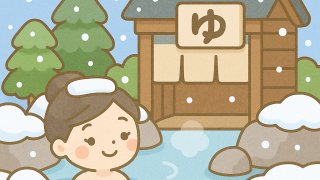
Snow, Steam, and Silence In winter, Iwate transforms into a snow-draped wonderland. The forests hush, the rivers slow, and steam rises from the earth like a dream. Welcome to Iwate in winter, where the cold isn’t something to escape, it’s something to savour. And there’s no better way to savour it than by soaking in a traditional onsen (hot spring), nestled in the mountains, surrounded by snow, with nothing but the sound of wind and water. Why Winter in Iwate Is So Special While ski resorts and city lights attract crowds elsewhere, and Iwate does have ski resorts which we’ll explore in another article, Iwate also offers a quieter, deeper … Read more

(Exploring Iwate) The Hidden Charms of Hiraizumi
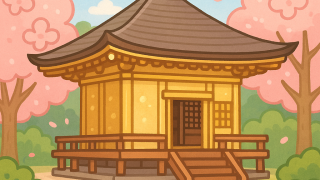
Iwate’s Golden Heart Tucked away in the peaceful green hills of southern Iwate lies a town that once rivaled Kyoto in beauty and power. It’s a place of golden halls, ancient temples, and poetic silence. Welcome to Hiraizumi, a name that means “peaceful spring,” and a town that glows with spiritual and historical light. Today, Hiraizumi is quiet and serene. But nearly 900 years ago, it was the beating heart of northern Japan, it’s a dream city built on the idea of paradise on Earth. What Makes Hiraizumi So Special? Hiraizumi was founded in the 12th century by the powerful Ōshū Fujiwara clan, who ruled much of northern Japan. Instead … Read more

(Exploring Iwate) The History of Morioka Castle and the Nambu Clan
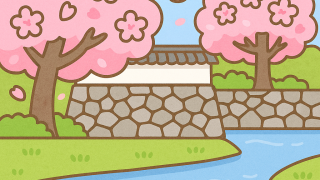
Iwate’s Samurai Spirit When people think of samurai, they often picture Kyoto or Edo, but deep in the rugged north of Japan lies a city built on honour, resilience, and quiet strength. Welcome to Morioka, home to the once-mighty Nambu Clan and the stone foundations of Morioka Castle, a fortress not of glory, but of grit. Let’s take a stroll through the sword-swept history of Iwate’s capital and the lords who shaped it. The Nambu Clan: Guardians of the North The Nambu Clan (南部氏) ruled much of what is now Iwate and parts of Aomori for over 700 years. They weren’t flashy warlords, they were practical, loyal, and fiercely independent. … Read more

(Exploring Iwate) Tōno: Japan’s Folklore Capital
Where Legends Live Welcome to Tōno, a peaceful mountain town in Iwate Prefecture where rivers whisper secrets, mountains hide spirits, and every shadow might have a tale to tell. This is the place where The Tales of Tōno were born, a book that turned local legends into national treasures, and made Tōno the heart of Japanese folklore. If you’ve ever dreamed of stepping into a world of kappa, zashiki-warashi, and mountain gods, you’re in the right place. What Makes Tōno So Special? Tōno is often called the cradle of Japanese folklore, thanks to a man named Kunio Yanagita, who published The Tales of Tōno (『遠野物語』) in 1910. Based on oral … Read more

(Exploring Iwate) Festivals of Iwate

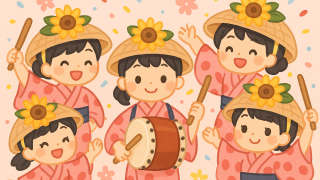
Where Tradition Comes to Life with Drums, Horses, and Spirit In the green valleys and snowy peaks of Iwate, ancient spirits don’t just slumber, they dance, march, and gallop through the streets. Welcome to the festivals of Iwate Prefecture, where tradition isn’t tucked away in museums, it’s alive, beating to the rhythm of taiko drums and jingling with the bells of elaborately dressed horses. From record-breaking drum parades to heartfelt rituals of gratitude, here’s your guide to Iwate’s most iconic and unforgettable matsuri (festivals). 1. Sansa Odori (さんさ踊り) – The World’s Largest Drum Festival Held every August in Morioka City, this festival features over 10,000 dancers and drummers parading through … Read more

(Exploring Iwate) The Food of Iwate

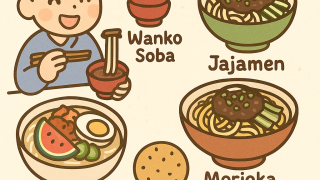
Wanko Soba, Jajamen, and the Flavours of the North Tucked between mountains and sea, Iwate Prefecture is a treasure chest of regional flavours. It’s hearty, warming, and full of character. Whether you’re slurping noodles, grilling fish on a riverside, or sharing a meal in a farmhouse, Iwate’s food isn’t flashy, it’s deeply satisfying. Come hungry and bring your sense of adventure: here are the dishes that define Iwate. 1. Wanko Soba (わんこそば) – The Endless Bowl Challenge Let’s start with the most famous, fun, and slightly chaotic Iwate experience. Wanko soba isn’t a dish, it’s a battle. Served in Morioka and Hanamaki, this is a noodle-eating game where waiters keep … Read more

(Exploring Iwate) The Cow and the Horse

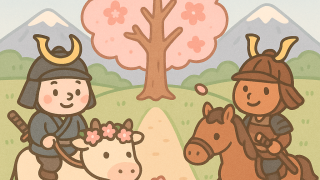
How the Nambu–Date Border May Have Been Drawn In the mountains where Iwate and Miyagi quietly meet, a border winds through forests and hills, unassuming, peaceful… and possibly the result of one of the strangest misunderstandings in Japanese history. This is the tale of a horse, a cow, and a kanji error that (supposedly) settled the boundary between two of northern Japan’s most powerful clans: the Nambu and the Date. Two Clans, One Question: Where’s the Line? During the Edo period, the Nambu clan ruled from Morioka, covering a huge stretch of northeastern Honshū (modern-day Iwate and Eastern Aomori), while the Date clan, based in Sendai, held dominion over much … Read more

(Exploring Iwate) Zashiki-warashi

The Child Spirit of Good Luck (If You’re Nice…) In a quiet room of an old Japanese house, where the tatami mats creak and the sliding doors rattle just a bit too often, something unseen giggles softly. No one’s there, at least, no one you can see. But if you’re lucky, you just might spot a chubby-cheeked child darting through the shadows.Meet the Zashiki-warashi (座敷童子), one of Japan’s most charming, and chilling, supernatural residents, and a true Iwate legend. What Is a Zashiki-warashi? A Zashiki-warashi is a type of yōkai (supernatural being), known for haunting traditional Japanese homes, especially the zashiki (guest room or sitting room). The word literally means … Read more

(Exploring Iwate) Kappa

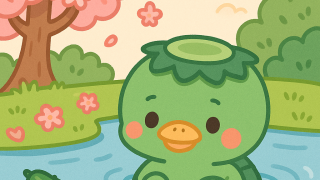
The River Trickster of Japanese Folklore (Cucumbers Welcome!) Deep in the countryside of Japan, by the rivers and streams that twist through rice fields and forests, lives a creature that’s part turtle, part frog, and 100% strange. With a dish of water on its head and a craving for cucumbers, the Kappa (河童) might just be the world’s politest little monster. In Iwate Prefecture, especially around the town of Tōno, Kappa legends run deep. They’re funny, scary, clever, and surprisingly polite, and they just might wrestle you into the river. What Is a Kappa? A Kappa is a water-dwelling yōkai (supernatural creature) found in Japanese folklore. The name “Kappa” means … Read more

(Exploring Iwate) The Brilliance of Miyazawa Kenji

Miyazawa Kenji: Iwate’s Dreamer, Storyteller, and the Japanese Roald Dahl In the mountains of northern Japan, where wildflowers bloom in summer and snow whispers across winter fields, lived a man who saw the world through stardust and poetry. His name was Miyazawa Kenji (宮沢賢治). He is a farmer, a scientist, a Buddhist, and a literary genius who turned the quiet countryside of Iwate into a galaxy of wonder. Just as Roald Dahl gave us Willy Wonka’s chocolate river and giant peaches that fly, Kenji gave us trains that ride the Milky Way, talking cats, and celestial farmers. But his world was uniquely Japanese, filled with moral depth, Buddhist thought, and … Read more